
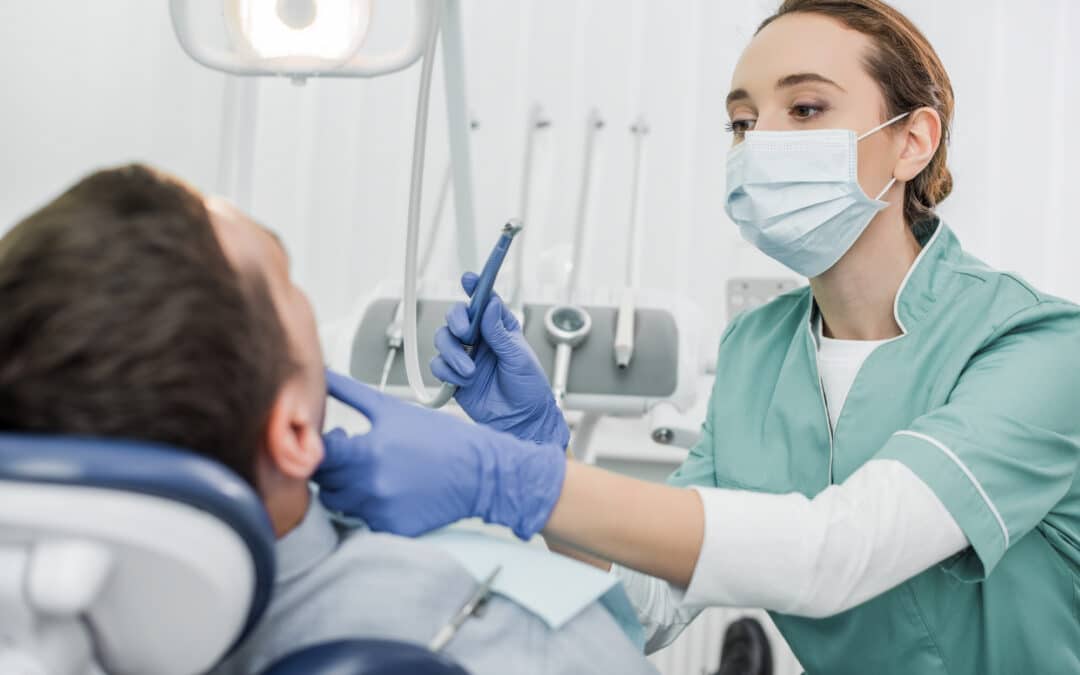
Professional teeth cleaning removes plaque and tartar buildup that brushing and flossing can’t eliminate on their own, preventing cavities, gum disease, and tooth loss. Dentists like Gregory Perkins DDS recommend cleanings every six months to catch early warning signs, protect enamel, and maintain long-term oral health.
Most people brush twice a day and floss occasionally, assuming that’s enough to keep their teeth healthy. Yet even the most diligent home care routine leaves behind traces of plaque that harden into tartar over time. Once that happens, only a professional cleaning can remove it. This distinction matters more than many patients realize, and it’s the reason dental professionals like Gregory Perkins DDS continue to stress the value of routine visits, regardless of how well someone thinks they’re caring for their teeth at home.
A professional teeth cleaning does more than polish your smile. It plays a central role in preventing the kind of long-term damage that leads to costly procedures, tooth loss, and even health complications beyond the mouth. Understanding what happens during a cleaning, and why it matters, can help you take your oral health more seriously and avoid problems before they start.
Why can’t brushing and flossing alone keep your teeth clean?
Brushing and flossing remove food particles and soft plaque from the surfaces of your teeth, but they can’t reach everything. Plaque that lingers near the gumline or between teeth eventually mineralizes into tartar, a hardened deposit that bonds to enamel and can no longer be removed with a toothbrush. Tartar buildup creates a rough surface that attracts even more bacteria, accelerating the cycle of decay and gum irritation.
Gregory Perkins DDS often explains to patients that tartar functions almost like a magnet for bacteria. Once it forms, the only way to remove it is through scaling, a process performed with specialized dental tools during a professional cleaning. Without this step, bacteria continue to multiply beneath the gumline, setting the stage for gingivitis and, eventually, more advanced periodontal disease.
What actually happens during a professional teeth cleaning?
Dental Anxiety
A typical dental cleaning involves several distinct steps, each targeting a different aspect of oral health. The hygienist begins with a physical exam of your teeth and gums, checking for visible signs of decay, inflammation, or other concerns. From there, they use a scaler to remove plaque and tartar from the tooth surface and along the gumline, an area that’s particularly prone to buildup.
After scaling, the teeth are polished using a gritty toothpaste-like substance that removes surface stains and smooths the enamel, making it harder for plaque to stick in the future. Many cleanings also include a professional flossing step, which reaches between teeth more thoroughly than most people manage on their own, followed by a fluoride treatment to strengthen enamel and offer added protection against cavities.
At practices like Gregory Perkins DDS, this process is paired with a broader evaluation of oral health, including checks for early signs of oral cancer, bite issues, or wear patterns that might indicate grinding. This comprehensive approach means a routine cleaning often catches problems long before they become painful or expensive to treat.
How does professional teeth cleaning prevent gum disease?
Gum disease develops gradually, often without obvious symptoms in its earliest stages. Plaque and tartar buildup near the gumline irritate the surrounding tissue, leading to inflammation known as gingivitis. Left untreated, gingivitis can progress into periodontitis, a more severe condition that damages the soft tissue and bone supporting your teeth.
Regular cleanings interrupt this progression by removing the bacterial buildup before it has a chance to cause lasting harm. According to the American Dental Association, professional cleanings combined with consistent home care are among the most effective ways to prevent periodontal disease. Gregory Perkins DDS emphasizes that patients who stick to a six-month cleaning schedule are far less likely to develop the kind of gum recession or bone loss associated with advanced periodontitis.
For patients who already show signs of gum disease, more frequent cleanings, sometimes called periodontal maintenance, may be recommended. These visits are more targeted and often more frequent than a standard cleaning, designed to keep the condition from worsening.
What role does teeth cleaning play in preventing cavities?
Cosmetic Dentistry
Cavities form when acid produced by bacteria erodes the protective enamel layer of a tooth. This acid is a byproduct of bacteria feeding on sugars and starches left behind after eating. The longer plaque sits on your teeth, the more time bacteria have to produce this damaging acid.
Professional cleanings reduce the overall bacterial load in your mouth, limiting the opportunity for acid production and enamel erosion. The fluoride treatments often included in a cleaning further strengthen enamel, making it more resistant to future decay. Choose a cleaning schedule of every six months if you want a baseline level of cavity protection, but ask Gregory Perkins DDS about more frequent visits if you’re prone to cavities or have a diet high in sugar.
Can teeth cleaning affect your overall health, not just your smile?
Oral health is closely tied to overall health in ways that many patients don’t expect. Research published by the Centers for Disease Control and Prevention has linked periodontal disease to an increased risk of conditions like heart disease, diabetes complications, and respiratory infections. The bacteria responsible for gum disease can enter the bloodstream, contributing to inflammation elsewhere in the body.
This connection gives professional teeth cleaning a significance that extends beyond cosmetic concerns. Removing harmful bacteria from your mouth on a regular basis reduces the systemic inflammation that’s been associated with these broader health risks. Gregory Perkins DDS often points to this connection when discussing why routine cleanings deserve the same priority as other preventive health measures, like annual physicals or eye exams.
Patients managing chronic conditions such as diabetes may benefit even more from consistent cleanings, since gum disease and blood sugar control can influence each other in both directions. Keeping the mouth healthy can make it easier to manage these broader health challenges.
How often should you schedule a professional teeth cleaning?
Most dental professionals, including Gregory Perkins DDS, recommend a cleaning every six months for patients with generally healthy teeth and gums. This interval gives enough time for plaque to build up without allowing it to progress into more serious tartar accumulation or gum irritation.
Certain patients may need more frequent visits. Those with a history of gum disease, a higher risk of cavities, or certain health conditions like diabetes may be advised to come in every three to four months. Smokers and patients undergoing orthodontic treatment often fall into this category as well, since both circumstances make it easier for plaque and tartar to accumulate.
The best way to determine the right schedule for your needs is to discuss your specific risk factors with your dentist. A personalized plan, rather than a one-size-fits-all recommendation, offers the most effective protection for your long-term oral health.
Protecting your smile starts with consistent care
Professional teeth cleaning isn’t a luxury or an optional add-on to your oral health routine. It’s a necessary complement to daily brushing and flossing, addressing the buildup that home care simply can’t reach. From preventing cavities and gum disease to reducing risks tied to broader health conditions, the benefits of routine cleanings reach far beyond a brighter smile.
If it’s been more than six months since your last cleaning, now is the time to schedule an appointment. Practices like Gregory Perkins DDS offer the kind of thorough, preventive care that catches problems early and keeps your smile healthy for years to come. Taking this simple step today can save you from far more complicated, and expensive, dental work down the road. Reach out by calling (801) 255-4870!