
Maintaining good dental health is a vital part of your overall well-being, but many people fail to understand the simple daily practices that can prevent major oral health issues. Oral hygiene is the key to avoiding excruciating dental procedures and expensive treatments later in life. Gregory Perkins DDS firmly believes that good oral hygiene is not difficult and doesn’t require fancy techniques or products. All you need is to establish a daily routine and take care of your teeth and gums at home.
Plus, you have to get your teeth professionally cleaned at least twice a year. Why is it so important to take care of your teeth? The mouth is the first line of defense against potential infections and bacteria that may enter your body. If left unchecked, these infections may spread and cause further issues with other organs. Research shows that poor dental hygiene can lead to heart problems, diabetes, and lung infections. Keeping your mouth clean has long-term physical benefits and is an investment in your quality of life.
Basic Dental Health Practices You Need to Know
Brushing your teeth twice a day with fluoride toothpaste is the first step to great dental health. You should brush your teeth with circular motions and light pressure, instead of harsh back-and-forth scrubbing. Brushing this way will not harm your tooth enamel and will be less irritating to your gums. Gregory Perkins DDS suggests that you brush for at least two minutes and reach all areas, including the back sides of your teeth and around the gumline.
Flossing is another way to improve your dental hygiene. Floss can easily remove plaque and bacteria from your teeth, along with any lingering food particles. Skipping flossing will leave cavities and food particles between your teeth, which increases the risk of gum disease. If you don’t like using traditional floss, try an oral irrigator or floss picks.
Rinsing your mouth with a mouthwash is an effective way to kill any bacteria that your toothbrush and floss missed. Opt for an antibacterial mouthwash with fluoride to fight harmful bacteria and strengthen your teeth. Spray for 30 seconds after brushing and flossing to improve the benefits.
Healthy Lifestyle and Diet
Gum Disease and Heart Health
Your food choices and hydration can affect your dental health throughout the day. Sugary and acidic foods promote the growth of cavity-causing bacteria, which produce acid that can erode your tooth enamel. Try to reduce your intake of sodas, candy, and other processed snacks, especially between meals.
Dairy products, green leafy vegetables, and almonds are a good source of calcium, which makes your teeth and bones stronger. Crunchy vegetables and fruits such as apples, celery, and carrots can help keep your teeth clean, while they are great for stimulating saliva production. Gregory Perkins DDS always reminds his patients to drink plenty of water throughout the day. This will not only keep your mouth hydrated but will also help wash away any food particles and bacteria.
Visits to the Dentist and Dental Checkups
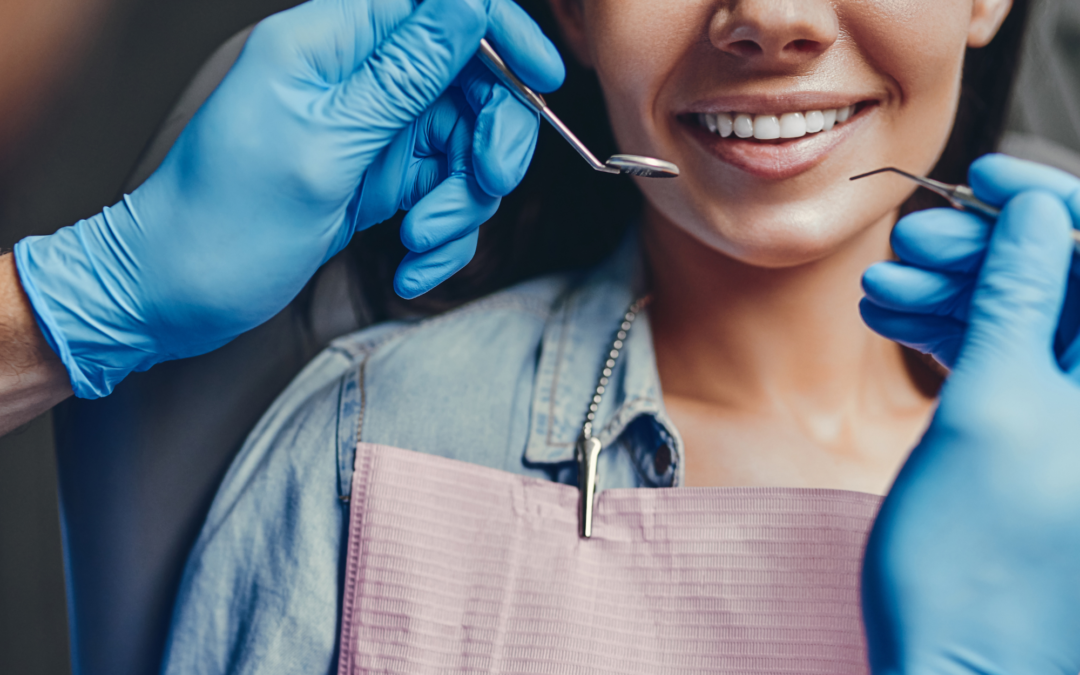
Regular visits to the dentist for cleaning and checkups are vital for keeping your mouth healthy. These visits will help you prevent serious problems down the line and can catch any issues at an early stage. This will help you save time and money that you would have spent if you waited until the problem got worse. Professional cleaning will get rid of hardened plaque, also known as tartar, which can’t be removed by brushing alone. Your teeth will be examined for signs of cavities, gum disease, and even oral cancer at the early stages.
Dentists like Gregory Perkins DDS recommend that you have your teeth checked up every six months. However, if you have risk factors such as diabetes or a history of poor dental hygiene, you might need to see the dentist more often. During these visits, your dentist will give you advice about your oral health based on your particular needs and risk factors.
Dental X-rays are usually done once or twice a year to check for cavities and hidden problems. Some of the issues that can be revealed with X-rays include cavities between your teeth, bone loss, and impaction.
Warning Signs You Shouldn’t Ignore
Gum Disease
If you experience persistent bad breath, bleeding gums, or sensitivity when chewing, you should contact your dentist for an assessment. Inflamed or red gums are often the early signs of gum disease, which can be reversed if caught in time and treated accordingly.
If your bite feels different, if you have loose teeth, or if you notice unusual lumps on your gums or tongue, make an appointment with your dentist. The early you deal with the problem, the better your chances of reversing it without undergoing any invasive dental procedures.
Start Dental Hygiene Habits Early
The best time to learn and start practicing good oral hygiene habits is as early as possible. Parents should teach their children the importance of cleaning their teeth and brushing them properly. Make it a fun activity for the whole family, as kids usually follow their parents’ habits. You should change your toothbrush every three to four months, or after you are ill. This will help you achieve better cleaning results.
Use a soft-bristled toothbrush instead of one with hard bristles, and don’t use too much force when brushing your teeth. Gregory Perkins DDS always advises his patients to be gentle with their teeth. Gentle and consistent cleaning of teeth and gums is much better than aggressive scrubbing that will eventually lead to receding gums and teeth sensitivity.
A Quick Recap on Dental Health
Children’s Dental Care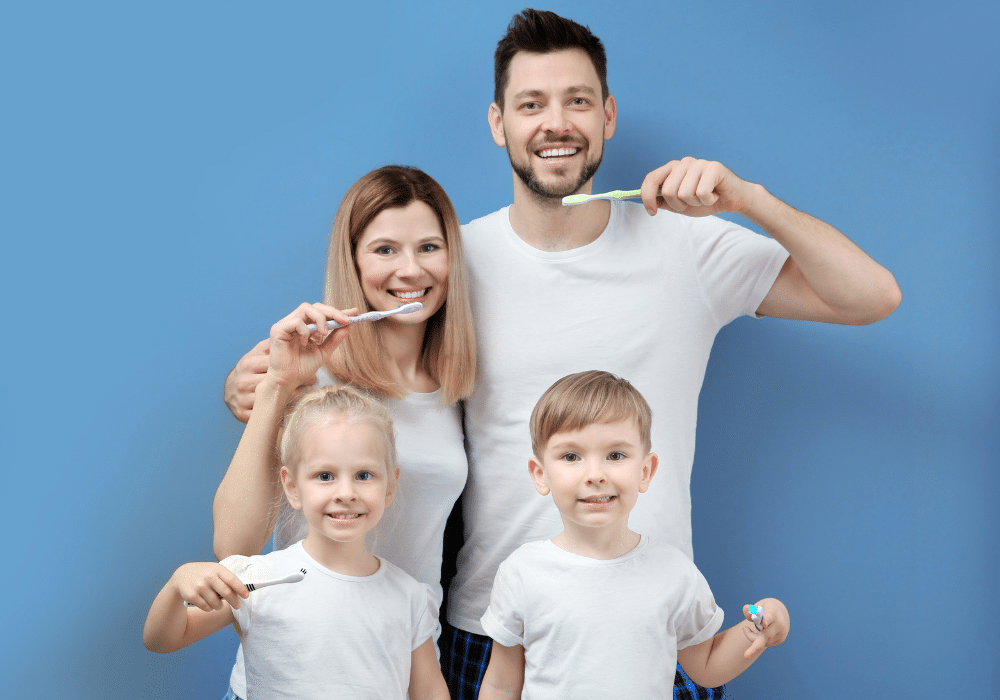
Taking care of your teeth requires effort every day and is something that you need to maintain for the rest of your life. The long-term benefits include greater comfort, the confidence of a beautiful smile, and overall physical well-being. With these basic rules in mind, and by getting professional help from Gregory Perkins DDS, you can achieve optimal oral health. Implement these best practices in your life as soon as possible. Remember, small and simple changes will make a huge difference in the long term. Call (801) 255-4870 and schedule your first appointment today